
Calcium Propionate: What It Is and Clean Label Replacements
In this article
Calcium propionate (E282) is the most common mold inhibitor in commercial baking. It is an approved additive with a long history of use. Bakeries are replacing it today because their customers want ingredient lists they recognize, not because it stopped working.
If you are already looking to replace it, see FarXtend™ T100, the clean label alternative from FARBE NATURALS.
What is calcium propionate?
It is the calcium salt of propionic acid. It comes as a white powder or granule that dissolves in water. Propionic acid also forms naturally in some fermentations, for example in certain cheeses.
What is calcium propionate used for?
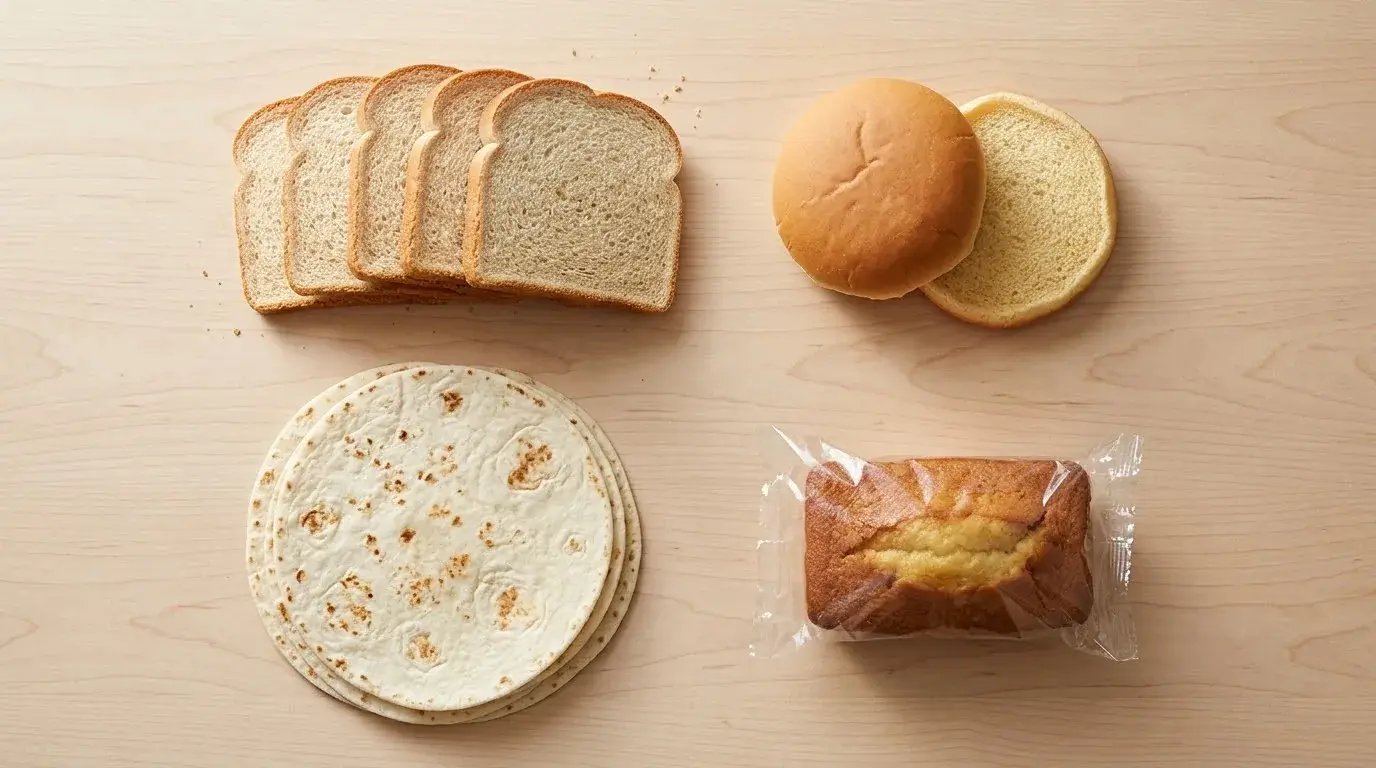
It slows the growth of mold and of the bacteria that cause rope spoilage in bread. It is used mainly in:
- Pan bread, rolls and hamburger buns
- Flour tortillas and flatbreads
- Cakes and packaged baked goods
It has little effect on yeast. That is why it is the standard preservative in yeast-raised doughs, where other preservatives would slow fermentation.
How does it work?
The active part is propionic acid. Its effectiveness depends on pH: it works best in slightly acidic products and loses effect as the pH approaches neutral.
Is calcium propionate safe?
It is an approved additive; in the United States it is classified as generally recognized as safe (GRAS). The industry is replacing it for a label reason: it reads as a chemical name, and more consumers and retailers prefer short ingredient lists with familiar names.
What can replace calcium propionate?
The most direct clean label alternative is cultured wheat flour. Fermentation produces propionic acid of natural origin, the same active compound, and the ingredient is declared as a flour-based ingredient instead of a synthetic preservative.
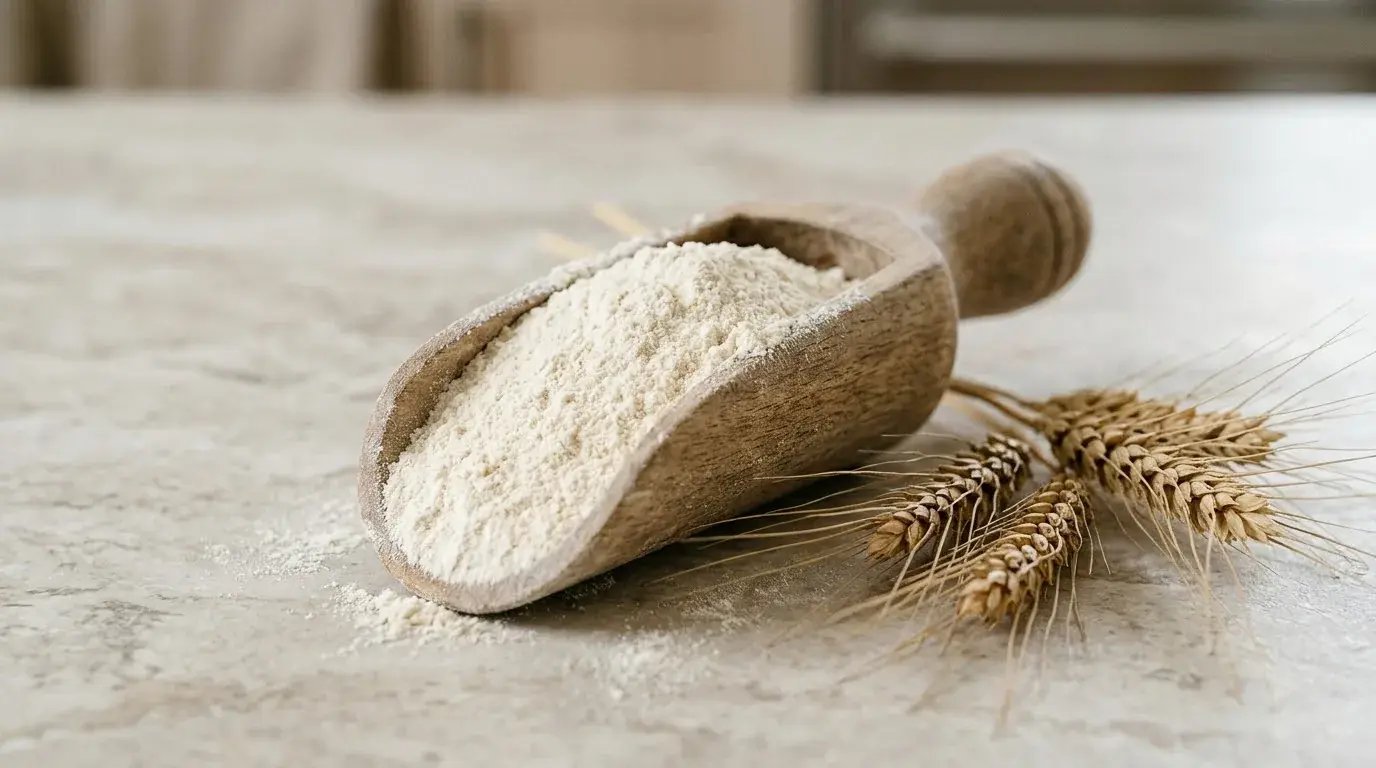
FarXtend™ T100 from FARBE NATURALS is a cultured wheat flour designed for pan bread, rolls, hamburger buns, tortillas and flatbreads.
In a third-party shelf life study at 25 ± 1 °C, bread made with FarXtend™ T100 showed no visible mold at day 28, which was the end of the test.
What to check before you switch
- Flavor and aroma: evaluate the finished product against your current reference, in the same recipe and process.
- Product pH: the effectiveness of any source of propionic acid depends on it.
- Target shelf life: define how many days you need and under which storage conditions.
- Label: your regulatory team confirms the final wording of the ingredient statement.
Next step
Request the FarXtend™ T100 technical data sheet or a sample to test on your line. A FARBE technical specialist follows up to plan the trial.
Request TDS · Request a sample
Frequently asked questions
Is calcium propionate natural?
The additive is made by synthesis. Propionic acid is also produced naturally by fermentation, and that is the basis of clean label alternatives.
Does calcium propionate affect yeast?
Very little under normal conditions of use. That is why it is used in yeast-raised bread.
Can calcium propionate be replaced without losing shelf life?
It depends on the product and the process. A plant trial with your own recipe is recommended before scaling up.
What is the difference between calcium propionate and sodium propionate?
Both supply propionic acid. Calcium propionate is the usual choice in yeast-raised bread; sodium propionate is used more in chemically leavened products.